30 Apr

As climate action matures, the conversation is shifting from emissions reduction alone to the larger challenge of long-term carbon removal. In that shift, biochar is emerging as one of the most practical and relevant solutions for agricultural economies such as those across Africa.
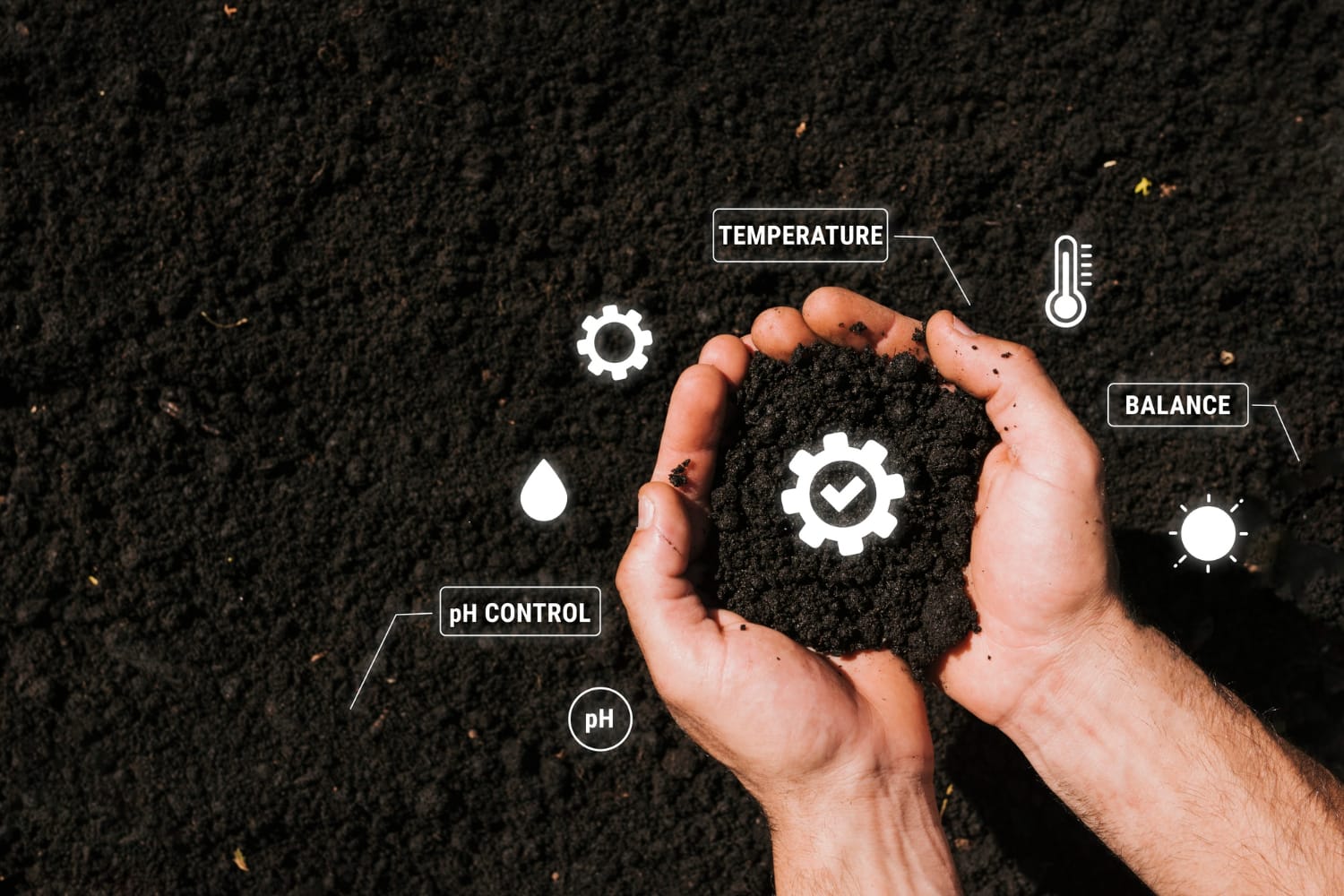
Biochar is produced when organic biomass is heated in a low-oxygen environment through a process known as pyrolysis. Instead of allowing agricultural residues to be openly burned or discarded with little value recovery, this process transforms biomass into a carbon-rich material that can be applied to soil. What makes this important is that part of the carbon captured by plants during growth is converted into a more stable form, giving biochar significance both as a soil input and as a carbon management solution.
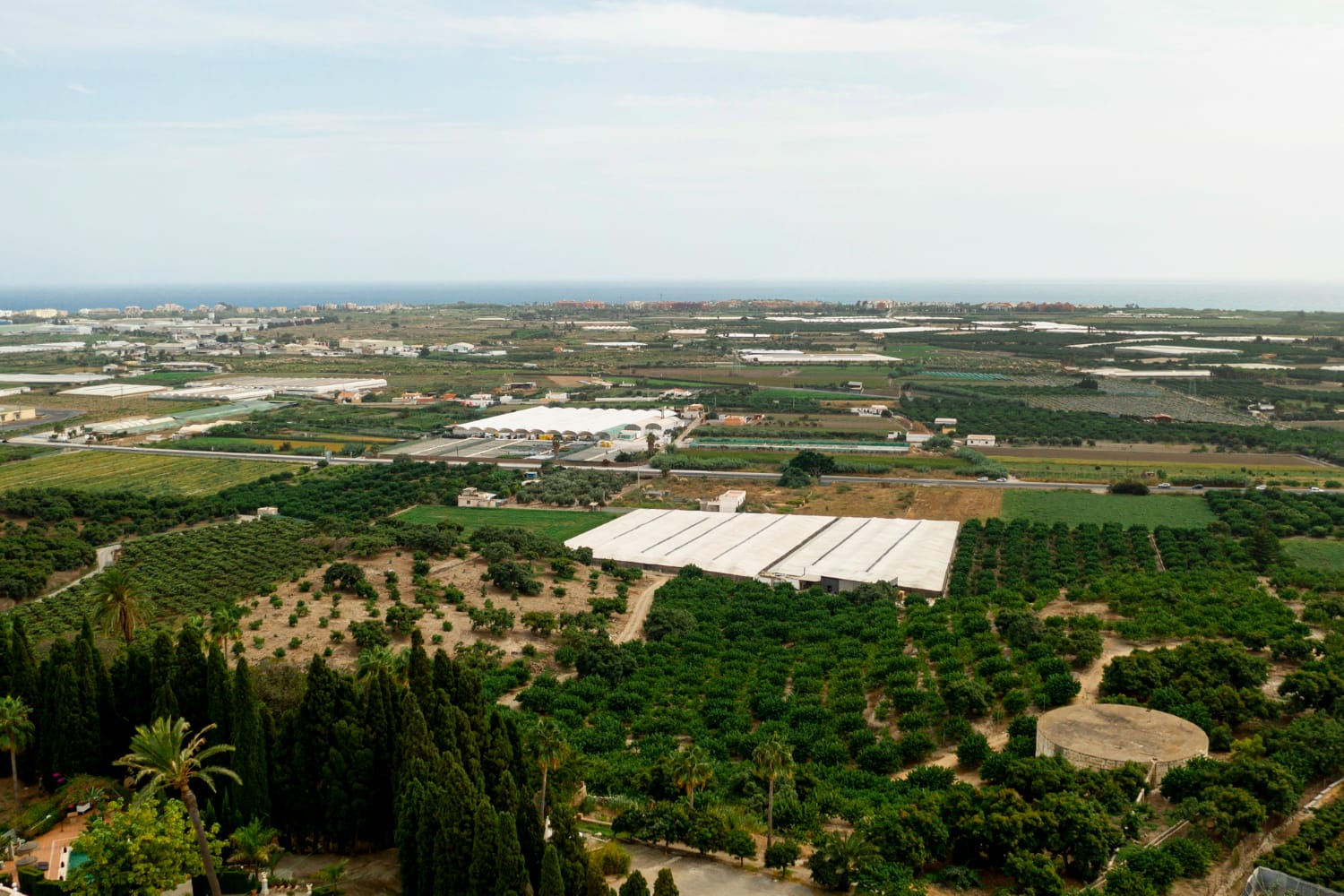
Its relevance to Africa is especially compelling. Across the continent, agriculture generates large volumes of underutilized biomass, while many farming systems are simultaneously facing declining soil quality, climate stress, and pressure to become more productive with fewer resources. Biochar sits at the intersection of these realities. It offers a way to rethink agricultural residues not as waste, but as part of a more circular and regenerative system.
This is why biochar matters beyond the science alone. It is not simply a technical intervention. It is a platform for restoration. It connects carbon, land, and livelihoods in a way that is highly relevant to the African context. In a world searching for durable climate solutions, biochar stands out because it can be grounded in local feedstocks, local ecosystems, and local economic participation.
At Afrinet Carbon, we see biochar as part of a broader opportunity to build high-integrity African climate solutions from the ground up. Its promise lies not only in what it removes from the atmosphere, but in what it can help restore on the land.